Ever walked into a new cafe, ordered a pastry, and watched them pop it into a standard, everyday microwave you’d find at a big-box store? As a microwave aficionado, my heart sinks a little every time. If you’re running a food service business, your first stop for commercial microwave oven reviews should start with one core understanding: a residential microwave in a commercial kitchen is like bringing a scooter to a Formula 1 race. It just can’t keep up. This guide is here to be your co-pilot, navigating the high-powered world of commercial microwaves to ensure you invest in a true kitchen workhorse, not a glorified kitchen gadget.
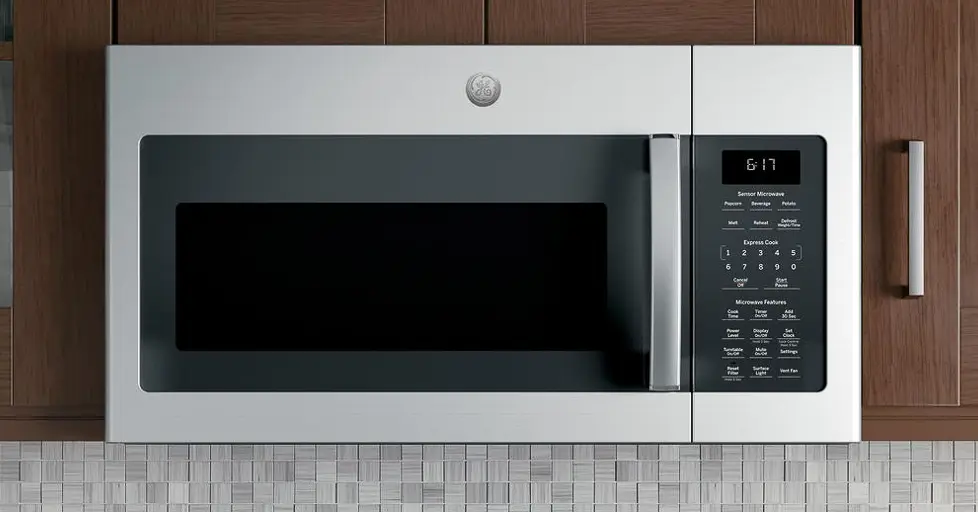
Why Your Home Microwave Won’t Cut It in a Pro Kitchen
So, what’s the big deal? A microwave is a microwave, right? Not quite. The differences are night and day, and using the wrong one can cost you time, money, and even your business’s reputation.
A commercial microwave oven is engineered for three things a residential model isn’t: speed, durability, and volume. They are built with heavy-duty components, from the magnetron (the part that generates microwaves) to the door hinges, designed to withstand hundreds of opening-and-closing cycles a day. A home unit might see that kind of action in a month, maybe more.
Safety First: Using a residential microwave in a commercial setting can void its warranty and may even violate local health and safety codes. It’s a risk that’s simply not worth taking.
Decoding Commercial Microwave Lingo: Light, Medium, or Heavy-Duty?
When you start browsing commercial microwave oven reviews, you’ll immediately run into terms like “light-duty” or “heavy-duty.” This isn’t just marketing fluff; it’s the most critical factor in choosing the right unit for your needs.
This classification is all about the expected number of uses per day.
- Light-Duty (approx. 1000-1200 watts): These are the entry-level commercial models. Perfect for environments like an office breakroom, a hotel breakfast bar, or a dessert station where it’s used less than 50 times a day for simple tasks like reheating coffee or a muffin.
- Medium-Duty (approx. 1200-2000 watts): This is the sweet spot for many businesses. Think fast-casual restaurants, delis, and coffee shops. They are designed for 100-150 uses per day and can handle everything from melting cheese on a sandwich to steaming vegetables.
- Heavy-Duty (approx. 2000-3600 watts): These are the tanks of the microwave world. Built for the relentless pace of a full-service restaurant kitchen, a hospital, or a university cafeteria, they can handle over 200 uses daily without breaking a sweat. They cook incredibly fast and are designed for constant operation.
Here’s a quick comparison to help you decide:
| Duty Level | Typical Wattage | Best For | Daily Uses |
|---|---|---|---|
| Light-Duty | 1000-1200W | Office breakrooms, convenience stores | < 50 |
| Medium-Duty | 1200-2000W | Fast-casual, delis, coffee shops | 50-150 |
| Heavy-Duty | 2000-3600W | Full-service restaurants, cafeterias | > 200 |
Key Features to Look for in Your Next Commercial Microwave
Beyond the duty cycle, several features separate the good from the great. Let’s break down what really matters when you’re comparing models.
Wattage: The Powerhouse of Your Kitchen
|
Our Picks for the Best Microwave Oven in 2026
As an Amazon Associate, we earn from qualifying purchases.
|
||
| Num | Product | Action |
|---|---|---|
| 1 | Chefman Countertop Microwave Oven 0.7 Cu. Ft., 700 Watts with 10 Power Levels, 6 Cooking Presets with One-Touch Express Cook, Eco Mode, Child Safety Lock, & Mute Button - Black |

|
| 2 | Farberware 0.7 Cu. Ft. Countertop Microwave Oven – 700 Watts Power, Auto Cook Settings, Defrost, Easy Clean and Child Safety Lock - Stainless |
|
| 3 | Chefman Countertop Microwave Oven 1.1 Cu. Ft. Digital Stainless Steel Microwave 1000 Watts with 6 Auto Menus, 10 Power Levels, Eco Mode, Memory, Mute Function, Child Safety Lock, Easy Clean |
|
| 4 | BLACK+DECKER Digital Microwave Oven with Turntable Push-Button Door, Child Safety Lock, Stainless Steel, 0.9 Cu Ft |
|
| 5 | Breville BOV450XL Mini Smart Countertop Oven and Toaster Oven, Small, Brushed Stainless Steel |
|
| 6 | Cooks Innovations Non-Stick Oven Protector Mat - Heavy Duty Nonstick Oven Rack Liners to Protect Convection, Electric, Gas, & Microwave Ovens - BPA & PFOA Free Heat Resistant Baking Mat |
|
| 7 | BLACK+DECKER EM720CB7 Digital Microwave Oven with Turntable Push-Button Door, Child Safety Lock, 700W, Stainless Steel, 0.7 Cu.ft |
|
| 8 | TOSHIBA ML-EM09PA(BS) Small Microwave Oven with 6 Auto Menus, Mute Function & Child Lock, LED Lighting, Perfect for Apartment, 0.9 Cu Ft, 10.6 Inch Removable Turntable, 900W, Black Stainless Steel |
|
| 9 | TOSHIBA EM131A5C-BS Countertop Microwave Ovens 1.2 Cu Ft, 12.4\" Removable Turntable Smart Humidity Sensor 12 Auto Menus Mute Function ECO Mode Easy Clean Interior Black Color 1000W |
|
| 10 | COMFEE\' EM720CPL-PMB Countertop Microwave Oven with Sound On/Off, ECO Mode and Easy One-Touch Buttons, 0.7cu.ft, 700W, Black |
|
How much wattage do you need in a commercial microwave? In short, as much as your electrical system can handle and your budget allows. Higher wattage equals faster cooking times. In a business where every second counts, shaving 30 seconds off reheating every soup order adds up to significant time savings over a lunch rush. A 1000W model might take 90 seconds, while an 1800W model could do it in under a minute.
Construction and Durability: Built for the Trenches
Look for a full stainless steel interior and exterior. It’s not just about looking professional; stainless steel is durable, easy to clean, and resists the corrosion and grime of a busy kitchen. Also, check the door. Does it have a sturdy, grab-and-go handle, or a flimsy push-button latch? A robust handle is designed for quick, one-handed operation by a busy line cook.
Programmable Controls vs. Dials: Consistency is King
While simple dials might seem appealing, programmable pads are a major upgrade for consistency. You can program specific cook times for your most popular menu items. This means that whether it’s you, your top chef, or a new hire on their first day, that bowl of chili will be heated to the perfect temperature every single time. This eliminates guesswork and ensures a consistent customer experience. Some high-end models can even store up to 100 different menu presets!
Certifications: The Non-Negotiables (NSF & UL)
What do NSF and UL certifications mean? They are your assurance of safety and sanitation.
- NSF (National Sanitation Foundation): This mark means the microwave is designed and constructed in a way that promotes food safety. It has smooth, easily cleanable surfaces without tiny crevices where bacteria can hide.
- UL (Underwriters Laboratories): This certification relates to electrical safety, ensuring the unit is free from risks of fire and electrical shock.
Never purchase a commercial appliance that doesn’t have these certifications listed.
Pro Tips for Maintenance and Safety
You’ve made the investment, now how do you protect it? Keeping your commercial microwave in top shape is simple but crucial.
- Clean it Daily: At the end of every shift, wipe down the interior with a food-safe cleaner. Caked-on food splatters can absorb energy, leading to inefficient cooking and can even become a fire hazard.
- Check the Door Seals: Regularly inspect the seals around the door. If they are cracked, worn, or loose, they can leak microwave radiation. It’s a rare issue with quality models, but a vital safety check.
- Never Run it Empty: Operating a microwave with nothing inside can cause the magnetron to burn out, leading to an expensive repair.
- Use Only Microwave-Safe Cookware: This is even more critical with high-wattage commercial units. Never use metal pans, aluminum foil, or containers with metallic trim. Stick to ceramic, glass, and specially marked microwave-safe plastics.
As John Miller, a commercial kitchen consultant with 20 years in the field, often says, “A well-maintained microwave is a profitable microwave. A few minutes of cleaning each day can save you a thousand-dollar repair bill and hours of downtime down the line.”
Frequently Asked Questions (FAQ)
Q1: Can I use a commercial microwave at home?
A: You could, but it’s generally not recommended. They require a dedicated, high-amperage electrical circuit that most homes don’t have. They are also much louder and lack the user-friendly features of residential models, like a turntable or pre-programmed popcorn button.
Q2: What’s the difference between a magnetron and inverter technology?
A: A standard magnetron microwave cycles its power on and off to simulate lower power levels. Inverter technology, on the other hand, delivers a constant, steady stream of power. This results in more even cooking, better defrosting, and is generally more energy-efficient. It’s a premium feature but worth it for delicate tasks.
Q3: Why don’t most commercial microwaves have a turntable?
A: Commercial microwaves are designed for speed and simplicity. Turntables are a moving part that can break. Instead, they use a stirrer system above the cooking cavity to distribute the microwaves evenly, which is a more durable solution for a high-volume environment.
Q4: How long does a commercial microwave last?
A: With proper care and maintenance, a quality medium or heavy-duty commercial microwave can last for many years, even under heavy daily use. They are built for longevity, unlike residential models which may only last a few years under similar stress.
Q5: Is a higher price always better?
A: Not necessarily. The “best” microwave is the one that fits your specific needs. A light-duty unit from a reputable brand is a better investment for a small office than an oversized, expensive heavy-duty model that will be underutilized. Match the machine to the mission.
The Final Verdict
Choosing the right equipment is one of the most important decisions you’ll make for your business. When it comes to warming, reheating, and cooking, a proper commercial microwave isn’t a luxury; it’s a fundamental tool for efficiency and quality control. By moving beyond simple commercial microwave oven reviews and understanding the core differences in duty cycles, wattage, and construction, you are empowering yourself to make a smart, long-lasting investment. Get the right tool for the job, and it will pay you back in perfectly heated food and happy customers for years to come.
Cooking gear we tested in our own kitchens
Practical specs, not advice. Unsubscribe anytime.
I totally agree with the point about residential microwaves in a commercial setting. We used to burn through them every few months at our small bakery. Since upgrading to a proper commercial unit, specifically the Panasonic model you mentioned, our workflow has improved so much. It handles the constant use without a hitch and heats everything evenly.
Spot on! I’ve seen too many cafes trying to make do with inadequate equipment. The section on why home microwaves don’t cut it really explains the core issue well. Our new Amana commercial microwave has been a beast, handling everything from defrosting large batches to quickly warming up individual portions. It’s a true workhorse.
This guide was super helpful for narrowing down options. I was on the fence about spending more, but the comparison to a scooter in an F1 race really hit home. We ended up getting a Sharp commercial microwave, and it’s been a game-changer for quick reheating of soups and sauces during peak hours. Definitely worth the investment for durability.
I appreciate the detailed breakdown, but I found that even some of the ‘commercial’ models in the mid-range price point still struggle with very dense items. We got a lower-wattage commercial unit for our coffee shop, and while it’s better than a home microwave, it still takes a bit longer than I’d like to heat up a frozen breakfast burrito. Next time, I’ll definitely spring for a higher wattage.