The best place to buy a microwave depends on your priorities: for the widest selection and most competitive prices, online retailers like Amazon are ideal, especially for countertop models. However, for a hands-on experience and immediate purchase, big-box retailers such as Best Buy are excellent. For complex installations like over-the-range or built-in units, or if you value expert advice and professional service, a local independent appliance store is often the superior choice.
Before You Shop: Know What You’re Looking For
Finding the best place to buy a microwave starts with a little self-reflection. The perfect retailer for someone needing a high-end, built-in model is different from the ideal spot for a student grabbing a compact countertop unit.
Think about these three things first:
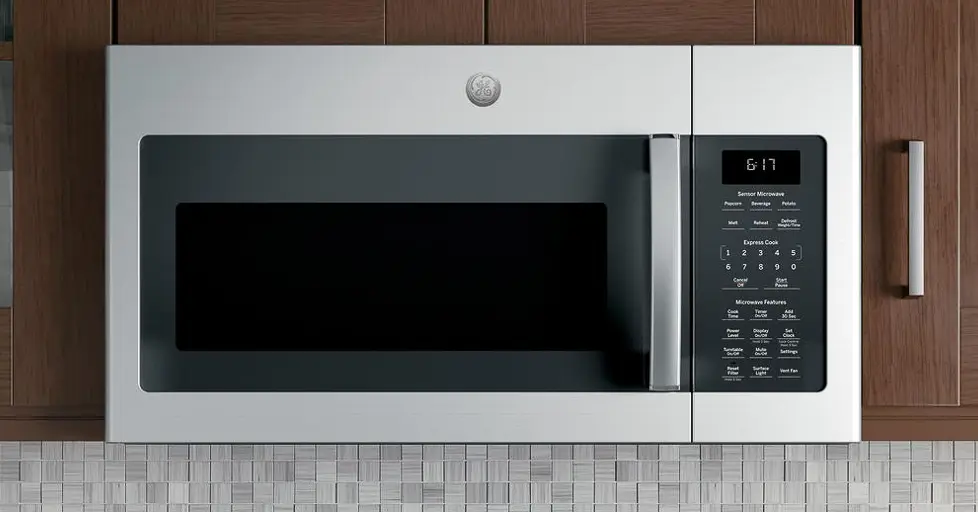
- Type of Microwave: Are you looking for a simple countertop model, a space-saving over-the-range (OTR) unit, or a sleek built-in microwave that integrates with your cabinetry?
- Essential Features: Do you just need to reheat leftovers and pop popcorn? Or are you interested in advanced features like convection cooking, air frying, or inverter technology for more even heating?
- Budget: Be honest about what you want to spend. A basic, reliable microwave can be found for under a hundred dollars, while feature-packed models can run into the thousands.
Once you have a rough idea, you’re ready to explore the marketplace.
The Main Contenders: Where to Buy Your Next Microwave
Let’s break down the most common places you’ll be shopping. Each has its own distinct advantages and disadvantages.
Big-Box Retailers (The See-It-In-Person Option)
Think of stores like Home Depot, Lowe’s, and Best Buy. These are often the first places people think of for a major kitchen appliance.
Pros:
- Tangible Experience: You can open the doors, press the buttons, and see exactly how big that 1.2 cubic foot interior really is. This is invaluable for judging build quality and size.
- Immediate Gratification: You can often walk out of the store with your new microwave the same day. No waiting for shipping.
- Bundle Deals: If you’re buying other appliances, you can often negotiate a package deal for significant savings.
Cons:
- Selection Can Be Limited: They typically carry the most popular models from major brands but might not have niche or specialty options.
- Sales Staff Expertise Varies: You might get a seasoned appliance expert or someone who was working in the paint department yesterday.
- Price Matching: While they often have competitive prices, you might need to actively price match against online competitors to get the absolute best deal.
Online Giants (The Endless Aisle)
|
Our Picks for the Best Microwave Oven in 2026
As an Amazon Associate, we earn from qualifying purchases.
|
||
| Num | Product | Action |
|---|---|---|
| 1 | Cooks Innovations Non-Stick Oven Protector Mat - Heavy Duty Nonstick Oven Rack Liners to Protect Convection, Electric, Gas, & Microwave Ovens - BPA & PFOA Free Heat Resistant Baking Mat |

|
| 2 | TOSHIBA EM131A5C-BS Countertop Microwave Ovens 1.2 Cu Ft, 12.4\" Removable Turntable Smart Humidity Sensor 12 Auto Menus Mute Function ECO Mode Easy Clean Interior Black Color 1000W |
|
| 3 | Chefman Countertop Microwave Oven 0.7 Cu. Ft., 700 Watts with 10 Power Levels, 6 Cooking Presets with One-Touch Express Cook, Eco Mode, Child Safety Lock, & Mute Button - Black |
|
| 4 | Farberware 0.7 Cu. Ft. Countertop Microwave Oven – 700 Watts Power, Auto Cook Settings, Defrost, Easy Clean and Child Safety Lock - Stainless |
|
| 5 | Breville BOV450XL Mini Smart Countertop Oven and Toaster Oven, Small, Brushed Stainless Steel |
|
| 6 | TOSHIBA ML-EM09PA(BS) Small Microwave Oven with 6 Auto Menus, Mute Function & Child Lock, LED Lighting, Perfect for Apartment, 0.9 Cu Ft, 10.6 Inch Removable Turntable, 900W, Black Stainless Steel |
|
| 7 | BLACK+DECKER EM720CB7 Digital Microwave Oven with Turntable Push-Button Door, Child Safety Lock, 700W, Stainless Steel, 0.7 Cu.ft |
|
| 8 | COMFEE\' EM720CPL-PMB Countertop Microwave Oven with Sound On/Off, ECO Mode and Easy One-Touch Buttons, 0.7cu.ft, 700W, Black |
|
| 9 | BLACK+DECKER Digital Microwave Oven with Turntable Push-Button Door, Child Safety Lock, Stainless Steel, 0.9 Cu Ft |
|
| 10 | Chefman Countertop Microwave Oven 1.1 Cu. Ft. Digital Stainless Steel Microwave 1000 Watts with 6 Auto Menus, 10 Power Levels, Eco Mode, Memory, Mute Function, Child Safety Lock, Easy Clean |
|
This category is dominated by Amazon, but also includes sites like Wayfair and the online storefronts of the big-box retailers.
Pros:
- Massive Selection: The variety is practically infinite. You can find almost any brand, size, color, and feature combination you can dream of.
- Competitive Pricing: Intense competition usually means you can find some of the best prices online, especially during major sales events.
- User Reviews: This is a goldmine of information. Real-world feedback from hundreds of owners can tell you things a product description never will.
Cons:
- No Hands-On: You’re buying based on pictures and reviews. You can’t get a feel for the machine until it’s on your doorstep.
- Shipping Damage: While rare, there’s always a risk of your new appliance arriving with a dent or a scratch.
- The Return Hassle: Sending back a bulky item like a microwave can be a serious pain. You’ll need to deal with repackaging and coordinating a pickup or drop-off.
Independent Appliance Stores (The Expert’s Corner)
These are your local, often family-owned, appliance specialists. They might not have a massive online presence, but they offer a different kind of value.
Pros:
- Unmatched Expertise: The staff here live and breathe appliances. They can provide in-depth advice and help you find the perfect model for your specific needs, not just the one they need to move this week.
- Service and Installation: These stores often have their own trusted installation and repair teams. This creates a seamless experience, especially for more complex over-the-range or built-in models.
- Customer Relationships: You’re not just an order number. They often provide better post-sale support because their local reputation depends on it.
Cons:
- Higher Prices: Their prices may be slightly higher than the big-box or online stores to cover the cost of their specialized service.
- Limited Selection: They usually focus on a curated selection of reliable, mid-to-high-end brands rather than a vast array of budget options.
What’s More Important Than Where You Buy?
Deciding on the best place to buy a microwave is important, but there are a few universal factors you need to check, no matter which retailer you choose.
- The Return Policy: Read it carefully. What is the return window? Do they charge a restocking fee? Who pays for return shipping? A lenient return policy is your best insurance against buyer’s remorse or a defective unit.
- Warranty and Support: Understand the manufacturer’s warranty. Does the retailer offer any additional support or an extended warranty? Sometimes, buying from an an authorized dealer can make warranty claims smoother.
- Customer Reviews: Don’t just look at the star rating. Read the three-star reviews. They are often the most honest, highlighting minor flaws that might be a deal-breaker for you but weren’t bad enough for a one-star slam.
John Miller, an appliance technician with over 15 years of experience, always advises his clients: “The best deal isn’t just the lowest price. It’s the price combined with a solid return policy and a warranty you can count on. A cheap microwave from a seller with a terrible return process can become a very expensive paperweight.”
The Microwave King’s Final Verdict
So, what’s the verdict on the best place to buy a microwave?
- For the best selection and most competitive prices, especially on countertop models, online retailers like Amazon are hard to beat. Just be prepared to do your homework by reading reviews and be comfortable with the online return process.
- For a hands-on experience and the potential for a good sale, especially if you’re already at the store for other things, big-box retailers are a fantastic option.
- For over-the-range or built-in models, or if you value expert advice and white-glove service, I strongly recommend visiting a local independent appliance store. The peace of mind that comes with professional installation is often worth the slightly higher price.
There isn’t one single “best” place for everyone. The right choice depends on your priorities: price, convenience, expert guidance, or the ability to see the product in person.
Frequently Asked Questions (FAQ)
Here are some common questions I get about the buying process.
Is it better to buy a microwave online or in a store?
It depends on your preference. Buying online typically offers a wider selection and better prices. Buying in a store allows you to see the appliance in person and take it home immediately. For complex installations like over-the-range models, an in-store purchase from a dealer with an installation service can be simpler.
What is a reasonable price to pay for a good microwave?
A good, reliable countertop microwave with decent wattage (1000-1200 watts) can be found in the $100 to $250 range. Over-the-range models typically start around $250 and go up, while built-in and high-end convection models can cost $500 or more.
Should I buy an extended warranty for my microwave?
Generally, for a standard countertop microwave, I don’t recommend it. The cost of the warranty is often a significant percentage of the unit’s price, and these appliances are fairly reliable. For expensive, feature-rich over-the-range or built-in models, it might be for peace of mind.
What is the most important feature to look for in a new microwave?
Beyond size and type, the most important technical specification is wattage. Higher wattage (1000W or more) cooks food faster and more evenly. After that, look for convenient features like sensor reheat, which automatically detects when your food is done, preventing overcooking.
How long should a microwave last?
The average lifespan of a modern microwave oven is about 7 to 10 years, with some lasting longer with proper care. Heavy use or neglecting to clean it can shorten its lifespan.
Choosing a new microwave is a bigger deal than it seems—it’s a kitchen workhorse you’ll likely use every single day. By thinking about what you need and understanding the pros and cons of each retailer, you can confidently find the best place to buy a microwave for your home and your budget. Happy shopping, and may your popcorn never burn again.
Frequently Asked Questions
Is it better to buy a microwave online or from a physical store?
Buying a microwave online generally offers a wider selection and more competitive prices. However, purchasing from a physical store allows for a hands-on experience and immediate pickup. For complex installations like over-the-range models, an in-store purchase from a dealer with installation services can simplify the process.
What is a reasonable price range for a quality microwave oven?
A reliable countertop microwave with 1000-1200 watts typically costs between $100 and $250. Over-the-range models usually start around $250, while built-in and high-end convection models can exceed $500.
Should I purchase an extended warranty for my new microwave?
For a standard countertop microwave, an extended warranty is generally not recommended as the cost often represents a significant percentage of the unit's price, and these appliances are quite reliable. For more expensive, feature-rich over-the-range or built-in models, an extended warranty might offer peace of mind.
What is the most crucial feature to consider when buying a microwave?
Beyond size and type, wattage is the most important technical specification. Microwaves with 1000 watts or more cook food faster and more evenly. After wattage, look for convenient features like sensor reheat, which prevents overcooking by automatically detecting when food is done.
What is the expected lifespan of a typical microwave oven?
The average lifespan of a modern microwave oven is approximately 7 to 10 years. With proper care and maintenance, some units can last even longer. Heavy use or neglecting regular cleaning can potentially shorten its operational life.
Cooking gear we tested in our own kitchens
Practical specs, not advice. Unsubscribe anytime.
I ended up going to Best Buy for my over-the-range microwave. While the selection was decent and I liked being able to see it in person, the installation process was a bit more complicated than I expected. The staff were helpful, but I wish I’d considered a local appliance store for that extra layer of service. It works fine now, but it was a hassle.
I was so torn on where to get my new microwave, but the advice about Amazon for countertop models was spot on. I found a fantastic deal on a compact unit for my dorm room, and it arrived super fast. It’s perfect for heating up leftovers and making quick meals between classes. Definitely recommend checking online first for the best prices.
The tip about local independent appliance stores for built-in units was really helpful. I needed a specific size to fit my kitchen cabinet, and the expert advice I got there was invaluable. They helped me pick out a model that matched my other appliances perfectly. It was a bit pricier than online, but the peace of mind was worth it.