So, you’re in the market for a new microwave. You stroll into the appliance store, or more likely, you’re scrolling through endless online listings, and suddenly you’re faced with a fundamental choice that can shape your entire kitchen’s workflow. The big showdown: Countertop Vs Over The Range Microwave. It might seem like a simple decision, but trust me, as the Microwave King, I’ve seen this choice make or break kitchen harmony. This isn’t just about where you’ll reheat last night’s pizza; it’s about space, functionality, installation, and even your kitchen’s air quality. Let’s break it down, cut through the marketing jargon, and figure out which of these kitchen workhorses is the champion for your home.
What Exactly is a Countertop Microwave?
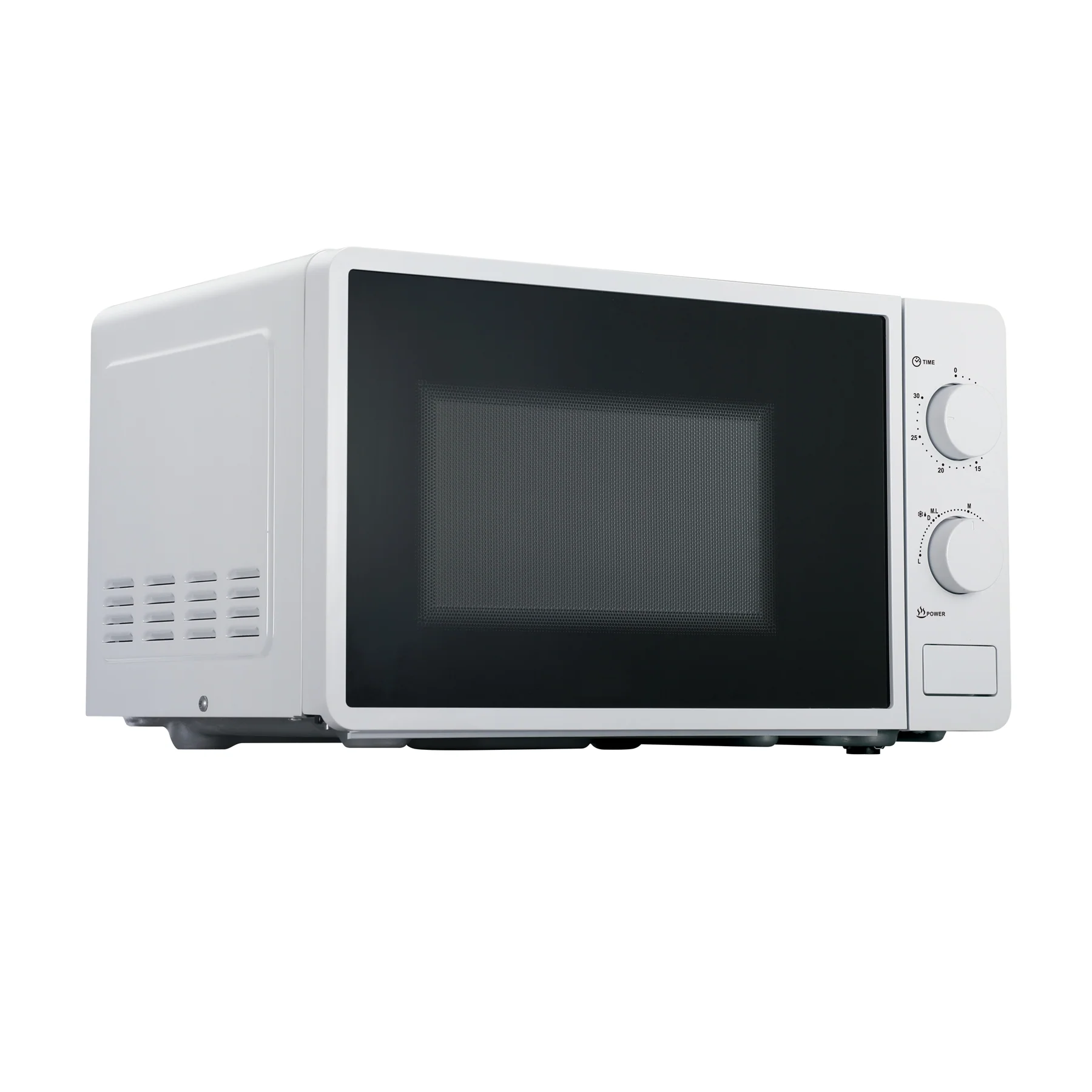
This is the microwave most of us grew up with. It’s the classic, plug-and-play appliance that sits, as its name suggests, right on your countertop. You bring it home, unbox it, plug it into the wall, and you’re ready to start popping popcorn in minutes. It’s the definition of convenience.
Think of it as the freelance consultant of the kitchen appliance world—it’s flexible, can be moved around, and doesn’t require a long-term commitment to one spot.
The Good Stuff (Pros)
- Affordability: Generally speaking, countertop models are significantly less expensive than their over-the-range counterparts. You can get a fantastic, high-wattage unit for a fraction of the cost.
- Easy Installation: Installation? What installation? You just plug it in. There’s no need to hire an electrician or a handyman, which saves you both time and money.
- Portability: Moving to a new apartment? Taking the microwave with you is as easy as packing a lamp. This flexibility is a huge plus for renters or people who anticipate moving.
- Variety: The market is flooded with countertop models. This means you have a massive selection of sizes, colors, wattages, and features to choose from, like advanced inverter technology for even cooking.
The Not-So-Good Stuff (Cons)
- The Space Hog: This is the big one. Kitchen counter space is prime real estate, and a standard microwave can eat up a significant chunk of it. In a smaller kitchen, this can be a deal-breaker.
- No Ventilation: A countertop microwave does nothing to help with the smoke, steam, and odors coming from your cooktop. You’ll still need a separate range hood for proper kitchen ventilation.
And What’s an Over-the-Range (OTR) Microwave?
An over-the-range microwave, often called an OTR, is a two-in-one appliance. It’s a fully functional microwave that is specifically designed to be mounted above your stove or cooktop, replacing the traditional range hood. It’s the integrated, built-in solution that aims for a sleek, streamlined kitchen aesthetic.
I remember helping a friend install his first OTR microwave, and let me tell you, it was a game-changer for his tiny kitchen. The extra prep space he gained was incredible.
The Good Stuff (Pros)
- It’s a Space Saver: By lifting the microwave off the counter, you reclaim a huge amount of valuable workspace for food prep, small appliances, or just a clutter-free look.
- Built-in Ventilation: Every OTR microwave has a built-in ventilation system (a fan) to capture smoke, steam, and cooking odors from your stove. Some vent outside (ducted), while others recirculate the air through a filter (ductless).
- Task Lighting: Most models come with built-in lighting underneath, which illuminates your cooktop. It’s a small feature that makes a big difference when you’re cooking.
- Streamlined Look: An OTR creates a cohesive, built-in look that many homeowners love. It makes the kitchen feel more custom and thoughtfully designed.
The Not-So-Good Stuff (Cons)
- Complex Installation: This is not a simple plug-and-play device. It needs to be securely mounted to the wall and cabinets. If you’re not a seasoned DIYer, you’ll likely need to hire a professional, adding to the overall cost.
- Higher Cost: OTR models are consistently more expensive than countertop models with similar specs. You’re paying for the dual functionality and built-in design.
- Ventilation Power: Let’s be honest, while the built-in fan is better than nothing, it’s often not as powerful or effective as a dedicated, high-end range hood. For serious home chefs who do a lot of high-heat searing or frying, it might not be enough.
- Accessibility and Safety: Reaching up to put a heavy, hot dish of soup into an OTR can be awkward or even dangerous for shorter individuals or children. Spills are also harder to clean up.
The Big Question: Countertop vs Over the Range Microwave Showdown
To make this even clearer, let’s put them head-to-head in a simple comparison table.
| Feature | Countertop Microwave | Over-the-Range (OTR) Microwave |
|---|---|---|
| Space Usage | Takes up counter space | Frees up counter space |
| Installation | Plug and play; no installation | Requires mounting, wiring; often professional |
| Cost | More affordable | More expensive |
| Ventilation | None | Built-in fan (ducted or ductless) |
| Portability | Highly portable | A permanent fixture |
| Accessibility | Easy to reach for most people | Can be difficult for shorter people/kids |
| Variety | Huge range of sizes and features | More limited selection |
So, How Do You Choose The Right One For You?
The best choice in the countertop vs over the range microwave debate depends entirely on your kitchen, your budget, and your cooking style. Ask yourself these questions:
How’s Your Kitchen Layout?
Do you have a sprawling kitchen with counter space to spare? A countertop model might be perfect. Are you working in a compact kitchen where every square inch counts? An OTR could be your savior. Measure your space carefully, especially the area above your range if you’re considering an OTR.
What’s Your Budget?
Don’t forget to factor in installation costs for an OTR. A $400 OTR microwave could easily become a $600+ project after you pay for installation. A $150 countertop model costs exactly $150.
How Much Do You Cook on the Stovetop?
If you’re constantly searing steaks, frying bacon, or boiling big pots of pasta, you generate a lot of steam and grease. A powerful ventilation system is a must. While an OTR provides ventilation, a dedicated range hood is almost always more powerful. If you’re a light cook, an OTR’s fan will likely be sufficient.
John Miller, a kitchen appliance technician with over 15 years of experience, always advises his clients: “People often underestimate their ventilation needs. An OTR is a fantastic space-saver, but if you have a gas range or love to cook, pay close attention to the fan’s CFM (Cubic Feet per Minute) rating. Anything below 300 CFM might struggle to keep up.”
Are You a Renter or a Homeowner?
Renters should almost always lean towards a countertop model. You can’t exactly take the OTR microwave screwed into the wall with you when you leave, and most landlords won’t allow for such a major installation.
|
Our Picks for the Best Microwave Oven in 2026
As an Amazon Associate, we earn from qualifying purchases.
|
||
| Num | Product | Action |
|---|---|---|
| 1 | COMFEE\' EM720CPL-PMB Countertop Microwave Oven with Sound On/Off, ECO Mode and Easy One-Touch Buttons, 0.7cu.ft, 700W, Black |

|
| 2 | BLACK+DECKER EM720CB7 Digital Microwave Oven with Turntable Push-Button Door, Child Safety Lock, 700W, Stainless Steel, 0.7 Cu.ft |
|
| 3 | BLACK+DECKER Digital Microwave Oven with Turntable Push-Button Door, Child Safety Lock, Stainless Steel, 0.9 Cu Ft |
|
| 4 | Breville BOV450XL Mini Smart Countertop Oven and Toaster Oven, Small, Brushed Stainless Steel |
|
| 5 | Chefman Countertop Microwave Oven 0.7 Cu. Ft., 700 Watts with 10 Power Levels, 6 Cooking Presets with One-Touch Express Cook, Eco Mode, Child Safety Lock, & Mute Button - Black |
|
| 6 | TOSHIBA ML-EM09PA(BS) Small Microwave Oven with 6 Auto Menus, Mute Function & Child Lock, LED Lighting, Perfect for Apartment, 0.9 Cu Ft, 10.6 Inch Removable Turntable, 900W, Black Stainless Steel |
|
| 7 | Cooks Innovations Non-Stick Oven Protector Mat - Heavy Duty Nonstick Oven Rack Liners to Protect Convection, Electric, Gas, & Microwave Ovens - BPA & PFOA Free Heat Resistant Baking Mat |
|
| 8 | Farberware 0.7 Cu. Ft. Countertop Microwave Oven – 700 Watts Power, Auto Cook Settings, Defrost, Easy Clean and Child Safety Lock - Stainless |
|
| 9 | TOSHIBA EM131A5C-BS Countertop Microwave Ovens 1.2 Cu Ft, 12.4\" Removable Turntable Smart Humidity Sensor 12 Auto Menus Mute Function ECO Mode Easy Clean Interior Black Color 1000W |
|
| 10 | Chefman Countertop Microwave Oven 1.1 Cu. Ft. Digital Stainless Steel Microwave 1000 Watts with 6 Auto Menus, 10 Power Levels, Eco Mode, Memory, Mute Function, Child Safety Lock, Easy Clean |
|
Beyond the Big Two: Other Microwave Types to Know
Just to show you the whole picture, there are a couple of other players in the microwave game:
- Built-in Microwaves: These are designed to be installed flush into your cabinetry, often above a wall oven. They offer a super-sleek, high-end look but come with a premium price tag and require custom cabinet work.
- Drawer Microwaves: Installed below the counter in a drawer, these are a cool, modern option. They’re great for accessibility and a minimalist aesthetic but are the most expensive type of microwave on the market.
Final Thoughts: The Verdict
At the end of the day, there is no single “winner” in the countertop vs over the range microwave battle. The champion is the one that fits your life.
Choose a countertop microwave if:
- You are on a tighter budget.
- You are a renter or move frequently.
- You have ample counter space.
- You prioritize simplicity and ease of setup.
Choose an over-the-range microwave if:
- Saving counter space is your number one priority.
- You want a streamlined, built-in kitchen aesthetic.
- You are a homeowner and are planning a kitchen renovation.
- Your stovetop cooking is light to moderate.
Making a smart decision now will lead to years of happy reheating, defrosting, and cooking. Take a look at your kitchen, be honest about your needs, and you’ll know exactly which microwave deserves a place in your home.
Frequently Asked Questions (FAQ)
Q: Can I install an over-the-range microwave myself?
A: If you have solid DIY skills, experience with electrical work, and a strong helper, it is possible. However, due to the weight of the appliance and the need for secure mounting and proper electrical connections, we generally recommend professional installation for safety and peace of mind.
Q: Do over-the-range microwaves need to be vented outside?
A: Not necessarily. Most OTR models are convertible. They can be set up to vent air through a duct to the exterior of your home (the most effective option), or they can be set to “recirculating” mode, which pulls air through a charcoal filter and releases it back into the kitchen.
Q: Is an over-the-range microwave a good substitute for a real range hood?
A: It’s a compromise. For light, everyday cooking, an OTR’s ventilation is adequate. However, a dedicated range hood, especially a high-CFM model, will always be more powerful and effective at removing smoke, grease, and odors than the fan in an OTR microwave.
Q: How much clearance do I need for an over-the-range microwave?
A: This is crucial. Always check the manufacturer’s specifications, but a general rule of thumb is to have at least 66 inches of clearance from the floor to the top of the microwave, and a minimum of 13-16 inches between the bottom of the microwave and the cooktop surface.
Q: Which type of microwave lasts longer, countertop or OTR?
A: The lifespan of both types is generally similar, typically around 7-10 years, depending on usage and brand quality. The main difference is that replacing a countertop model is simple and cheap, while replacing an OTR requires a more involved de-installation and re-installation process. The key to longevity for any kitchen appliance is proper use and regular cleaning.