It’s a sound that can stop you in your tracks. You pop in last night’s leftovers, hit start, and instead of the familiar, gentle whir, your kitchen is filled with a menacing drone. A Microwave Making A Loud Humming Noise is more than just annoying; it’s a sign that something is wrong. Don’t sweat it, though. As the “Microwave King,” I’ve heard every buzz, hum, and rattle in the book. Together, we’re going to get to the bottom of this and figure out what your appliance is trying to tell you.
Before we dive in, let’s get one thing straight: safety is paramount. We’re dealing with a powerful kitchen appliance that uses high-voltage electricity. This guide will help you diagnose the problem, but for most of these issues, your best and safest bet is calling a professional.
First Things First: Unplug It!
I can’t stress this enough. Before you even think about poking around, unplug the microwave from the wall outlet. Microwave ovens store a high-voltage charge in a component called a capacitor, even when they’re turned off and unplugged. This charge can cause a severe, even lethal, electric shock.
Expert Safety Warning: Never attempt to disassemble your microwave to access internal components unless you are a trained professional. The internal capacitor can hold a dangerous electrical charge long after the unit is unplugged.
The Most Common Culprits Behind a Loud Humming Noise
A loud, unusual hum is almost always a sign of a failing high-voltage component. Let’s break down the likely suspects, starting with the most common.
The Magnetron: The Heart of the Operation
The magnetron is the component that actually generates the microwaves to heat your food. Think of it as the engine of your appliance. When it starts to fail, it often emits a very loud, distinctive hum or growl. You might also notice that your food isn’t heating up properly or at all.
- The Sound: A deep, loud, and often irregular humming or buzzing that is significantly louder than the normal operating sound.
- The Problem: The magnetron is wearing out and drawing too much power, or it has failed internally.
- The Fix: This is a 100% non-negotiable “call a professional” job. Replacing a magnetron involves discharging the high-voltage capacitor and handling delicate, powerful components. It’s not a DIY project.
The High-Voltage Diode: A Power Problem
The diode works with the capacitor to convert your home’s AC power to the high-voltage DC power the magnetron needs. If this little part fails, it can short out, causing a loud humming sound. Often, a faulty diode will produce a hum but no heat.
- The Sound: A persistent, loud hum that may be accompanied by a burning smell.
- The Problem: The diode has burned out and is no longer regulating power correctly.
- The Fix: Just like the magnetron, this is a high-voltage component. Leave this repair to a qualified technician who has the tools and knowledge to do it safely.
The Turntable Motor: A Less Alarming Hum
Sometimes, the source of the noise is less dramatic. If the humming sound seems to be coming from the bottom of the microwave and is more of a grinding or laboring hum, the culprit might be the turntable motor. This can happen if the motor is old and worn out, or if a large spill has gunked up the mechanism.
- The Sound: A grinding, humming, or groaning noise that happens when the turntable is supposed to be rotating.
- The Problem: The motor is failing or obstructed.
- The Fix: You can test this! Remove the glass tray and the rotating ring underneath it. Run the microwave for a few seconds. If the microwave making a loud humming noise stops, you’ve found your problem. Replacing a turntable motor is sometimes a manageable DIY task for the handy homeowner, but always check your user manual first.
Can I Fix My Noisy Microwave Myself?
This is the big question, right? You want to know if you’re looking at a simple fix or a service call. Here’s a quick cheat sheet.
| Symptom | Potential Cause | Recommended Action |
|---|---|---|
| Very loud hum + No heat | Magnetron or Diode | Call a Professional. Do not use the microwave. This is a high-voltage issue. |
| Loud hum + Burning smell | Diode or Transformer | Call a Professional. Unplug the unit immediately. |
| Grinding/humming from below + No turning | Turntable Motor | Potential DIY. Unplug, inspect the motor area for debris. Replacement parts are often available. |
| Normal operation but a slight rattle | Stirrer Fan / Fan Blade | Call a Professional. While not high-voltage, it requires disassembly. |
John Miller, a certified appliance technician with 15 years of experience, always tells his clients, “When it comes to the loud, deep hum, don’t take a chance. The cost of a service call is nothing compared to the risk of a high-voltage shock. It’s simply not worth it.”
Is It Time to Replace My Microwave?
Repairing a key component like a magnetron can sometimes cost nearly as much as a new microwave, especially when you factor in parts and labor. So, when should you repair versus replace?
Consider these points:
- Age: If your microwave is over 7-8 years old, it’s likely nearing the end of its lifespan. Investing a significant amount in repairs might not be wise.
- Cost of Repair: Get a quote from a technician. If the repair cost is more than 50% of the price of a comparable new model, replacement is usually the better option.
- Technology: Microwave technology has advanced significantly. Newer models with inverter technology provide more even cooking, and sensor-reheat functions take the guesswork out of reheating food. An upgrade could be a major quality-of-life improvement in your kitchen.
If you’re leaning towards an upgrade, now is a great time to explore the market. Modern microwaves offer features that can genuinely make your life easier.
|
Our Picks for the Best Microwave Oven in 2026
As an Amazon Associate, we earn from qualifying purchases.
|
||
| Num | Product | Action |
|---|---|---|
| 1 | TOSHIBA EM131A5C-BS Countertop Microwave Ovens 1.2 Cu Ft, 12.4\" Removable Turntable Smart Humidity Sensor 12 Auto Menus Mute Function ECO Mode Easy Clean Interior Black Color 1000W |

|
| 2 | BLACK+DECKER Digital Microwave Oven with Turntable Push-Button Door, Child Safety Lock, Stainless Steel, 0.9 Cu Ft |
|
| 3 | Chefman Countertop Microwave Oven 1.1 Cu. Ft. Digital Stainless Steel Microwave 1000 Watts with 6 Auto Menus, 10 Power Levels, Eco Mode, Memory, Mute Function, Child Safety Lock, Easy Clean |
|
| 4 | BLACK+DECKER EM720CB7 Digital Microwave Oven with Turntable Push-Button Door, Child Safety Lock, 700W, Stainless Steel, 0.7 Cu.ft |
|
| 5 | TOSHIBA ML-EM09PA(BS) Small Microwave Oven with 6 Auto Menus, Mute Function & Child Lock, LED Lighting, Perfect for Apartment, 0.9 Cu Ft, 10.6 Inch Removable Turntable, 900W, Black Stainless Steel |
|
| 6 | Chefman Countertop Microwave Oven 0.7 Cu. Ft., 700 Watts with 10 Power Levels, 6 Cooking Presets with One-Touch Express Cook, Eco Mode, Child Safety Lock, & Mute Button - Black |
|
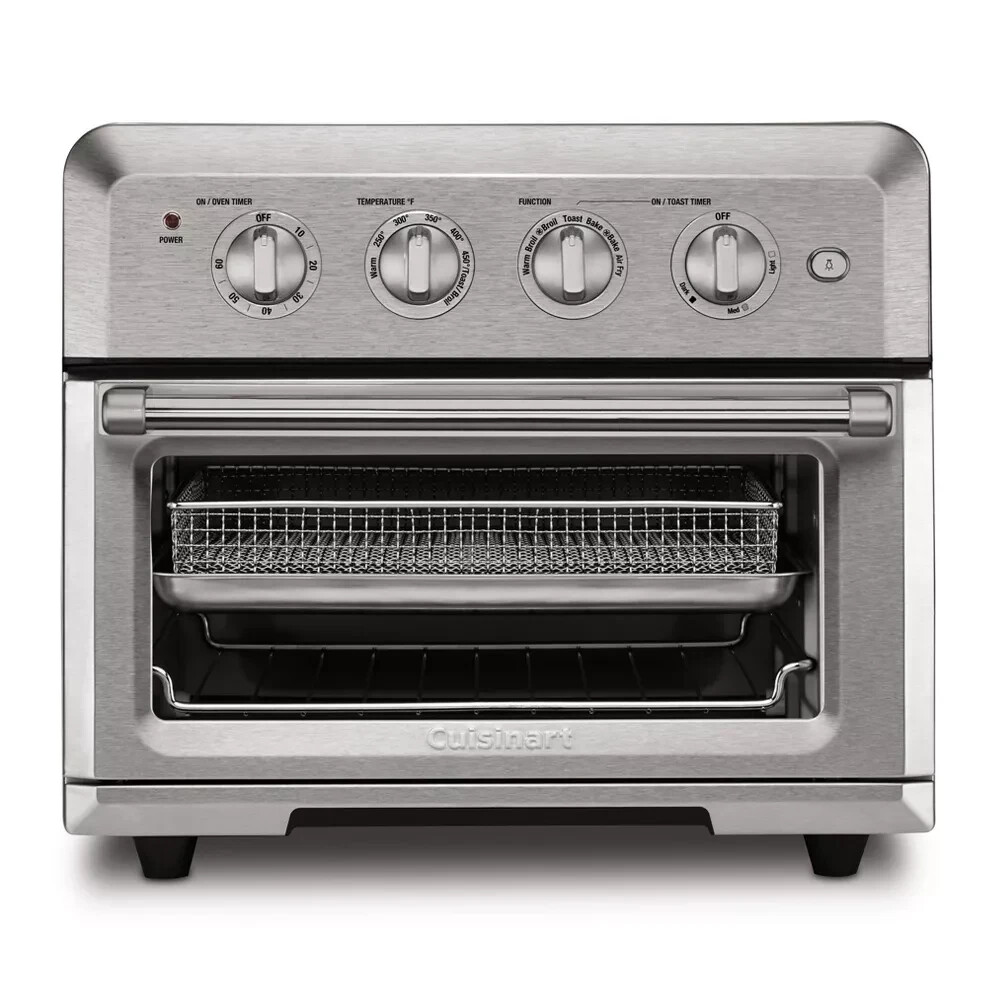
| 7 | Breville BOV450XL Mini Smart Countertop Oven and Toaster Oven, Small, Brushed Stainless Steel |
|
| 8 | COMFEE\' EM720CPL-PMB Countertop Microwave Oven with Sound On/Off, ECO Mode and Easy One-Touch Buttons, 0.7cu.ft, 700W, Black |
|
| 9 | Cooks Innovations Non-Stick Oven Protector Mat - Heavy Duty Nonstick Oven Rack Liners to Protect Convection, Electric, Gas, & Microwave Ovens - BPA & PFOA Free Heat Resistant Baking Mat |
|
| 10 | Farberware 0.7 Cu. Ft. Countertop Microwave Oven – 700 Watts Power, Auto Cook Settings, Defrost, Easy Clean and Child Safety Lock - Stainless |
|
How to Prevent Future Microwave Problems
A little TLC can go a long way in extending the life of your kitchen workhorse.
- Keep It Clean: Food splatters can bake onto the interior walls and, more importantly, the waveguide cover (that little mica-board-looking piece on the inside wall). A dirty waveguide can cause arcing and damage components. Clean spills as soon as they happen.
- Use Microwave-Safe Cookware: Never put metal (including foil, unless specified by the manufacturer for certain functions) or non-microwave-safe plastics inside. This can cause sparks (arcing) and severely damage the magnetron.
- Don’t Run It Empty: Running the microwave with nothing inside causes the microwaves to bounce back into the magnetron, which can damage it and shorten its life.
- Close the Door Gently: Slamming the door can damage the sensitive latch mechanisms and safety interlock switches, which are essential for safe operation.
Frequently Asked Questions
Q: Is a microwave making a loud humming noise dangerous to use?
A: Yes, it can be. The loud hum is often a symptom of a failing high-voltage component like the magnetron or diode. Continuing to use the appliance could lead to complete failure or, in rare cases, a fire hazard. Unplug it and have it inspected.
Q: How much does it typically cost to fix a loud microwave?
A: The cost varies widely. A simple fix like a turntable motor might cost under $100. However, a magnetron replacement can easily run from $150 to $250 or more, depending on the model and labor rates in your area.
Q: Can a dirty microwave cause a loud noise?
A: Not usually a loud hum, but it can cause a loud crackling or zapping noise. This happens when food debris builds up on the waveguide cover or interior, leading to arcing. Regular cleaning is the best prevention.
Q: My microwave is buzzing, not humming. Is that different?
A: The terms are often used interchangeably, but a sharp “buzz” or “zap” accompanied by a flash of light is almost certainly arcing. This could be caused by metal inside or a damaged interior. A deep, constant “hum” is more indicative of the component failure we’ve discussed.
Q: How long should a countertop microwave oven last?
A: The average lifespan of a modern microwave is about 7 to 10 years with regular use and proper care. Heavy use can shorten this, while light use may extend it.
The Final Word
That sudden, microwave making a loud humming noise is your appliance’s way of crying for help. While it’s alarming, you’re now equipped with the knowledge to understand what’s happening. Remember the golden rule: safety first. For any deep, unusual hum, your first and only move should be to unplug the unit and call a trusted technician. And if it’s time for an upgrade, you can look forward to a new kitchen appliance with better, more efficient technology.
Have you ever had a scary microwave noise? Share your story or ask a question in the comments below! We’re here to help.