That trusty microwave. It’s the unsung hero of the modern kitchen, isn’t it? From reheating last night’s takeout in a flash to defrosting chicken for dinner and even zapping a perfect mug cake for a late-night treat. It’s so reliable that we often take it for granted, until one day, it just… isn’t. If you’re starting to wonder When To Replace Your Microwave Oven, you’ve come to the right place. It’s a question that involves more than just a broken appliance; it’s about safety, efficiency, and knowing when an upgrade is a smarter move than a repair.
I remember my first microwave in college. It was a clunky, beige box that sounded like a small jet engine taking off. It served its purpose for years, but eventually, the signs were undeniable. Recognizing those signs is the first step toward making a smart decision for your kitchen. Let’s walk through the clear indicators that your microwave’s best days are behind it.
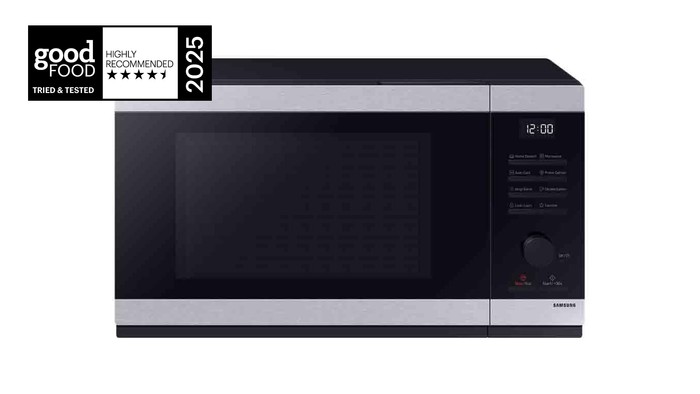
7 Clear Signs It’s Time to Replace Your Microwave Oven
Think of your microwave like a car. It gives you little warnings before it breaks down completely. Paying attention to these signals can save you from a potential kitchen disaster and a very disappointing, cold meal.
1. It’s Making Strange Noises
A low, steady hum is normal. But if your microwave has started making grinding, buzzing, or loud clanking sounds during operation, that’s a major red flag. These noises often indicate a problem with the magnetron (the component that generates the microwaves) or the turntable motor. While a motor might be a simple fix, a failing magnetron is often the heart of the appliance giving out.
2. The Door Doesn’t Seal Properly
This is a non-negotiable safety issue. The microwave door has a crucial job: keeping the microwave radiation inside the oven. If the door is cracked, broken, or the seal is warped so it doesn’t close tightly, stop using it immediately. Continued use could lead to radiation leakage, which is a serious health hazard. It’s one of the most critical reasons for when to replace your microwave oven.
3. It’s Cooking Unevenly or Taking Forever
Remember when two minutes was perfect for your popcorn? Now it takes four, and half the bag is still un-popped while the other half is burnt. This is a classic sign of a dying magnetron. As microwaves age, their power output can decrease significantly, leading to longer cooking times and frustratingly uneven results. Your time is valuable, and an inefficient kitchen appliance is a daily drain.
4. You See Sparks or Smoke
This one sounds obvious, but it’s worth stating clearly. Sparks or smoke are signs of a severe malfunction. While sometimes it can be caused by putting metal in the oven, if it happens with microwave-safe containers, it could be due to a faulty waveguide cover or other damaged internal components. Do not try to “see what happens next.” Unplug the unit and start shopping for a new one.
A Quick Safety Warning: If you ever see smoke or fire inside your microwave, do not open the door. Turn the appliance off and unplug it if you can do so safely. Keep the door closed to starve the fire of oxygen. Only open it once you are certain the fire is out.
5. The Keypad is Unresponsive
If you have to press the “Start” button ten times with the force of a superhero just to get it to register, your control panel is failing. Sometimes, a single button might die, but often it’s a cascading failure. A faulty keypad makes the appliance unreliable and frustrating to use, and a replacement panel can sometimes cost nearly as much as a new basic model.
6. It’s Just Plain Old
Like any appliance, microwaves have a finite lifespan. Most countertop models are built to last around 7 to 10 years with regular use. If yours has celebrated its tenth birthday and is starting to show any of the signs above, it’s living on borrowed time. Technology has also advanced significantly in the last decade, with features like inverter technology and sensor cooking becoming standard.
7. There’s Visible Damage or Rust
Take a look inside and out. Is the interior paint peeling? Are you seeing spots of rust? Is the exterior casing cracked or dented? This kind of physical deterioration, especially on the inside, can be a safety hazard. Rust can lead to arcing (sparks) and compromise the integrity of the oven cavity.
To Repair or Replace? A Cost-Benefit Breakdown
So, you’ve identified a problem. The next logical question is whether to call a repair technician or head to the store. My rule of thumb is simple: if the estimated cost of repair is more than 50% of the price of a new, comparable microwave, it’s time to replace it.
A basic countertop microwave can be purchased for a relatively low price, often making repairs on older models economically impractical. Over-the-range or built-in models are more expensive, so a repair might be more justifiable. However, you still need to factor in the age of the appliance. Pouring money into a nine-year-old machine is rarely a good investment.
As John Miller, a home appliance technician with over 15 years in the field, often says:
“I always tell my clients to think about the ‘next’ problem. You can pay me to fix a broken door latch today, but on an old microwave, the magnetron could fail in six months. A new appliance buys you peace of mind and a fresh warranty, which is often worth more than the cost of a single repair.”
Upgrading Your Kitchen: What to Look for in a New Microwave
Deciding when to replace your microwave oven can actually be exciting. It’s a chance to upgrade to a model that better fits your lifestyle and cooking habits. Here’s what you should consider.
Understanding the Main Types
- Countertop: The most common and affordable type. They’re plug-and-play, portable, and come in a huge variety of sizes and wattages. Perfect for renters or those who want flexibility.
- Over-the-Range (OTR): These models are installed above your stove, saving counter space. They also double as a range hood, with built-in ventilation fans and lighting. Installation is more involved, but the integrated look is a huge plus for many kitchens.
- Built-in / Drawer: For a high-end, seamless look, these are your best bet. Built-in models are typically installed into a cabinet, while drawer models slide out from under the counter, offering great accessibility. They are the most expensive option and require professional installation.
Key Features That Actually Matter
- Wattage: Power in microwaves is measured in watts. Generally, the higher the wattage (typically 900-1200 watts), the faster and more evenly your food will cook. Low-wattage models are cheaper but can be slow and less effective.
- Inverter Technology: This is a game-changer. Traditional microwaves cycle their power on and off to simulate lower power levels. Think of it like flooring the gas in your car and then slamming on the brakes repeatedly. Inverter technology, on the other hand, delivers a steady, continuous stream of power at lower levels. This means no more dried-out edges and frozen centers when you defrost meat. It’s the secret to perfectly poached salmon or gently melted chocolate.
- Size and Capacity: Measured in cubic feet, the interior capacity determines how much you can fit inside. A compact model (~0.7 cu. ft.) is fine for a dorm room, while a family might need a full-size model (1.6 to 2.2 cu. ft.) that can fit a large casserole dish.
- Sensor Cooking: This is a fantastic feature. The microwave has internal sensors that measure the steam and humidity coming off the food. It then automatically adjusts the cooking time and power level for you. No more guesswork for popcorn, potatoes, or reheating a dinner plate.
Our Picks for the Best Microwave Oven in 2026As an Amazon Associate, we earn from qualifying purchases.Num Product Action 1 Chefman Countertop Microwave Oven 1.1 Cu. Ft. Digital Stainless Steel Microwave 1000 Watts with 6 Auto Menus, 10 Power Levels, Eco Mode, Memory, Mute Function, Child Safety Lock, Easy Clean 
2 Breville BOV450XL Mini Smart Countertop Oven and Toaster Oven, Small, Brushed Stainless Steel
3 Cooks Innovations Non-Stick Oven Protector Mat - Heavy Duty Nonstick Oven Rack Liners to Protect Convection, Electric, Gas, & Microwave Ovens - BPA & PFOA Free Heat Resistant Baking Mat
4 TOSHIBA EM131A5C-BS Countertop Microwave Ovens 1.2 Cu Ft, 12.4\" Removable Turntable Smart Humidity Sensor 12 Auto Menus Mute Function ECO Mode Easy Clean Interior Black Color 1000W
5 BLACK+DECKER Digital Microwave Oven with Turntable Push-Button Door, Child Safety Lock, Stainless Steel, 0.9 Cu Ft
6 Chefman Countertop Microwave Oven 0.7 Cu. Ft., 700 Watts with 10 Power Levels, 6 Cooking Presets with One-Touch Express Cook, Eco Mode, Child Safety Lock, & Mute Button - Black
7 TOSHIBA ML-EM09PA(BS) Small Microwave Oven with 6 Auto Menus, Mute Function & Child Lock, LED Lighting, Perfect for Apartment, 0.9 Cu Ft, 10.6 Inch Removable Turntable, 900W, Black Stainless Steel
8 BLACK+DECKER EM720CB7 Digital Microwave Oven with Turntable Push-Button Door, Child Safety Lock, 700W, Stainless Steel, 0.7 Cu.ft
9 COMFEE\' EM720CPL-PMB Countertop Microwave Oven with Sound On/Off, ECO Mode and Easy One-Touch Buttons, 0.7cu.ft, 700W, Black
10 Farberware 0.7 Cu. Ft. Countertop Microwave Oven – 700 Watts Power, Auto Cook Settings, Defrost, Easy Clean and Child Safety Lock - Stainless
- Presets and Smart Features: Look for useful presets like “Melt Butter” or “Soften Ice Cream.” Some high-end models now even connect to Wi-Fi, allowing you to scan a barcode on a frozen meal and have the microwave program the exact cooking instructions.
Frequently Asked Questions
Q: What is the average lifespan of a microwave oven?
A: The average lifespan for a modern microwave oven is about 7 to 10 years. Heavy use can shorten this, while light use and proper maintenance might extend it slightly. Over-the-range and built-in models are often built to a higher standard and may last a bit longer.
Q: Is a sparking microwave dangerous?
A: Yes, it can be very dangerous. It indicates a significant electrical malfunction and poses a fire risk. If you see sparks, immediately stop the microwave, unplug it, and do not use it again. It’s a definitive sign you need a replacement.
Q: Can I replace my own over-the-range microwave?
A: If you are comfortable with basic DIY projects, have the right tools, and a second person to help lift, it’s possible. However, it involves handling a heavy appliance and some basic electrical work. For safety and proper installation, especially with venting, hiring a professional is often the wisest choice.
Q: Why is my food not heating up in the microwave anymore?
A: This is the most common symptom of a failed magnetron, the component that generates the microwave energy. While other issues could be at play (like a faulty high-voltage diode), a dead magnetron is the most likely culprit, and its replacement cost often makes a new microwave a better option.
Q: Is inverter technology really worth the extra cost?
A: For most people, yes. The difference in cooking quality is noticeable, especially for defrosting and delicate tasks. It provides much more even heating and prevents the “overcooked outside, frozen inside” problem. If you use your microwave for more than just reheating coffee, you’ll appreciate the benefits of inverter technology.
The Final Verdict
Knowing when to replace your microwave oven is about balancing cost, safety, and convenience. While it can be tempting to squeeze every last bit of life out of an old appliance, the warning signs—strange noises, a broken door, sparks, or inefficient cooking—should never be ignored. Upgrading isn’t just about getting a shiny new box on your counter; it’s about investing in a safer, more efficient, and more enjoyable cooking experience.
So take a good, hard look at your current microwave. Is it still the reliable kitchen workhorse it once was, or is it trying to tell you it’s ready for retirement? Listening to it could be the smartest kitchen decision you make all year.