Picture this: you’ve just found the perfect microwave. It has the right wattage, the sleek stainless steel finish matches your kitchen, and it even has that fancy air fryer function you’ve been eyeing. You get to the checkout, and the salesperson hits you with the classic question: “Would you like to add a two-year extended warranty for just a few more dollars?” You freeze. It sounds like a good idea, but is it? The question of Is Extended Warranty For Microwave Worth It is one I hear all the time, and frankly, the answer isn’t a simple yes or no. It’s a classic “it depends” situation. As your go-to microwave expert, I’m here to break it all down, so you can walk away from that counter with confidence, knowing you made the right call for your wallet and your peace of mind.
First Things First: What Does a Standard Warranty Cover?
Before we can even talk about extended warranties, you need to understand what you get for free right out of the box. Nearly every new microwave comes with a manufacturer’s warranty. Think of this as the builder’s promise that their product isn’t a dud.
A typical manufacturer’s warranty for a kitchen appliance like a microwave usually includes:
- One-Year Coverage for Parts and Labor: For the first 12 months, if something goes wrong due to a manufacturing defect, the company will typically cover the cost of the replacement part and the technician’s time to fix it.
- Extended Coverage for the Magnetron: This is the heart of your microwave—the component that actually generates the microwaves to heat your food. Because it’s such a critical part, many manufacturers offer a longer warranty on it, often ranging from five to ten years. But here’s the catch: this extended coverage is often for the part only. You’d still be on the hook for the labor cost of the repair, which can often be more expensive than the part itself.
So, for the first year, you’re generally well-covered for most catastrophic failures. The real debate begins when you start thinking about year two and beyond.
The Nitty-Gritty: What Is an Extended Warranty Offering?
An extended warranty, sometimes called a protection plan or service contract, is essentially an insurance policy for your microwave. You pay an upfront fee, and in return, the provider agrees to cover the cost of certain repairs for a specified period after the manufacturer’s warranty expires.
So, is extended warranty for microwave worth it when you consider what it adds? These plans often promise more comprehensive coverage. They might include protection against power surges, cover labor costs for magnetron replacement after the first year, or even cover failures due to normal wear and tear. But the devil is always in the details, and you must read the fine print.
So, How Often Do Microwaves Actually Break Down?
This is the million-dollar question, isn’t it? If microwaves were built like tanks and never failed, extended warranties wouldn’t even exist. In my years of experience, I’ve seen it all. While modern microwaves are generally reliable, they are not invincible.
The average lifespan of a modern microwave is about seven to ten years, but this can vary wildly based on usage, brand quality, and a bit of sheer luck. The most common points of failure are:
- The Magnetron: As mentioned, this is the core component. When it goes, your microwave stops heating.
- The Turntable Motor: If your plate stops spinning, you’ll get uneven heating. It’s an annoying but usually less expensive fix.
- The Touchpad or Control Panel: Buttons can become unresponsive, or the display can go haywire.
- The Door Latch/Switches: These are safety mechanisms. If they fail, the microwave won’t start.
John Miller, a certified appliance technician with over 15 years in the field, always tells his clients: “The cost to diagnose and repair a modern microwave, especially with the labor involved, can easily approach 50-70% of the cost of a brand new, comparable countertop model. That’s the financial equation you’re up against.”
This insight is key. For a basic $100 countertop microwave, a $70 repair bill is a non-starter. You’d just buy a new one. But for a $600 over-the-range convection model, that same repair bill suddenly looks a lot more reasonable.
|
Our Picks for the Best Microwave Oven in 2026
As an Amazon Associate, we earn from qualifying purchases.
|
||
| Num | Product | Action |
|---|---|---|
| 1 | BLACK+DECKER EM720CB7 Digital Microwave Oven with Turntable Push-Button Door, Child Safety Lock, 700W, Stainless Steel, 0.7 Cu.ft |

|
| 2 | Farberware 0.7 Cu. Ft. Countertop Microwave Oven – 700 Watts Power, Auto Cook Settings, Defrost, Easy Clean and Child Safety Lock - Stainless |
|
| 3 | Chefman Countertop Microwave Oven 0.7 Cu. Ft., 700 Watts with 10 Power Levels, 6 Cooking Presets with One-Touch Express Cook, Eco Mode, Child Safety Lock, & Mute Button - Black |
|
| 4 | BLACK+DECKER Digital Microwave Oven with Turntable Push-Button Door, Child Safety Lock, Stainless Steel, 0.9 Cu Ft |
|
| 5 | Chefman Countertop Microwave Oven 1.1 Cu. Ft. Digital Stainless Steel Microwave 1000 Watts with 6 Auto Menus, 10 Power Levels, Eco Mode, Memory, Mute Function, Child Safety Lock, Easy Clean |
|
| 6 | Cooks Innovations Non-Stick Oven Protector Mat - Heavy Duty Nonstick Oven Rack Liners to Protect Convection, Electric, Gas, & Microwave Ovens - BPA & PFOA Free Heat Resistant Baking Mat |
|
| 7 | COMFEE\' EM720CPL-PMB Countertop Microwave Oven with Sound On/Off, ECO Mode and Easy One-Touch Buttons, 0.7cu.ft, 700W, Black |
|
| 8 | TOSHIBA ML-EM09PA(BS) Small Microwave Oven with 6 Auto Menus, Mute Function & Child Lock, LED Lighting, Perfect for Apartment, 0.9 Cu Ft, 10.6 Inch Removable Turntable, 900W, Black Stainless Steel |
|
| 9 | Breville BOV450XL Mini Smart Countertop Oven and Toaster Oven, Small, Brushed Stainless Steel |
|
| 10 | TOSHIBA EM131A5C-BS Countertop Microwave Ovens 1.2 Cu Ft, 12.4\" Removable Turntable Smart Humidity Sensor 12 Auto Menus Mute Function ECO Mode Easy Clean Interior Black Color 1000W |
|
The Cost-Benefit Analysis: When to Say Yes and When to Pass
Let’s get down to brass tacks. To decide if an is extended warranty for microwave worth it for you, you need to weigh the cost of the warranty against the microwave’s price and complexity.
Scenarios Where an Extended Warranty Might Be a Smart Move
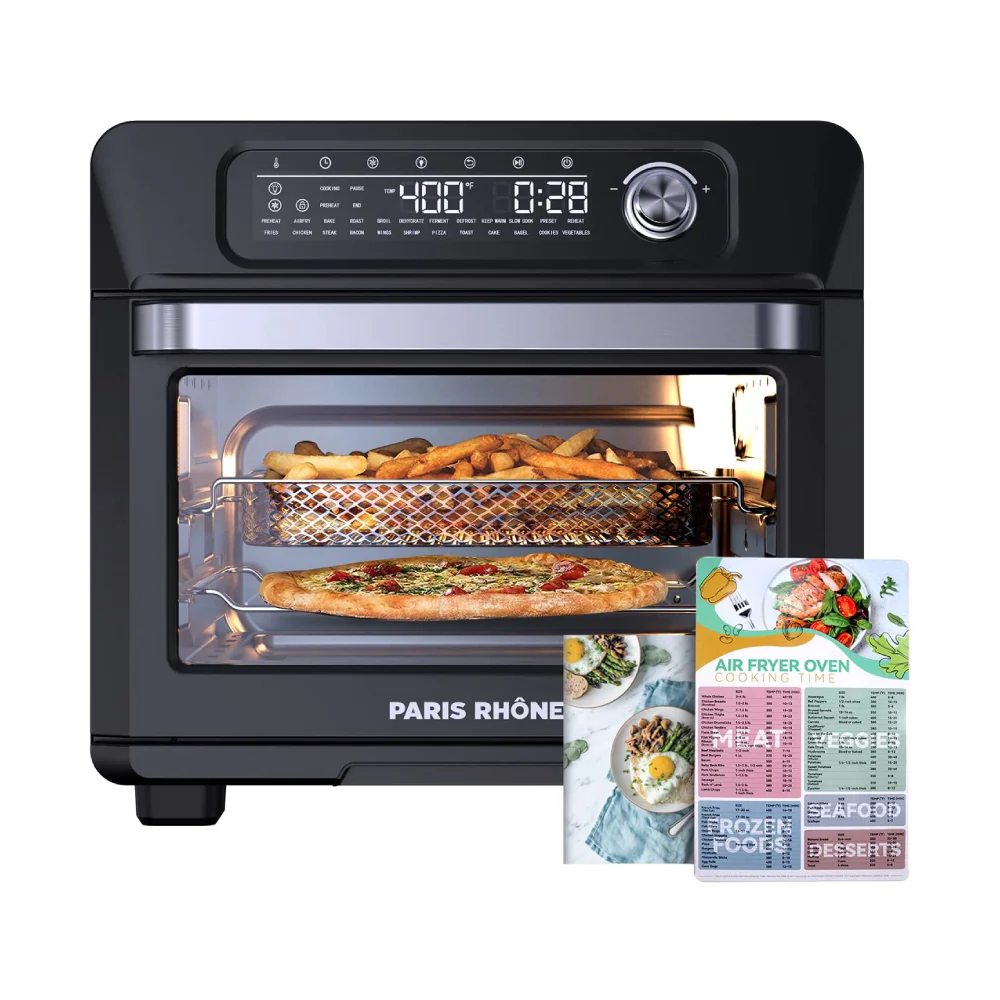
- You Bought a High-End, Feature-Packed Model: Are you getting a microwave with convection cooking, air frying capabilities, sensor cooking, and inverter technology? These complex machines have more electronic boards and moving parts, which means more potential points of failure. The repair costs for these sophisticated components are significantly higher, making a warranty a potentially savvy investment.
- It’s a Built-in or Over-the-Range (OTR) Unit: The math changes completely with these models. A simple countertop microwave is easy to replace. An OTR or built-in unit, however, requires de-installation and re-installation, which can be a tricky and costly job. The labor costs alone can make a warranty worthwhile. You’re not just protecting the appliance; you’re protecting yourself from the headache of replacing it.
- The Warranty Cost is Low: If the cost of a two or three-year warranty is less than 15% of the microwave’s purchase price, it’s worth considering for the peace of mind alone. For a $300 microwave, a $30 warranty might be a reasonable hedge against a future repair bill.
- You’re Not a DIY Person and Value Convenience: If the thought of diagnosing a problem, finding a reputable repair person, and dealing with a potential bill gives you anxiety, the warranty’s simple “one call and it’s handled” process can be incredibly appealing.
Scenarios Where You Should Probably Skip the Warranty
- It’s a Basic, Inexpensive Countertop Model: If your microwave costs less than $150, an extended warranty is almost never a good deal. Let’s say the warranty is $30. That’s 20% of the purchase price. Given that the unit might not even break during the warranty period, you’re better off putting that $30 in a jar. If it breaks in three years, use that money (and a little more) to buy a new, more modern unit.
- The Warranty is Expensive or Full of Exclusions: If the warranty costs 25% or more of the microwave’s price, it’s a hard pass. Also, read the fine print. Does it have a high deductible? Does it exclude “cosmetic damage” or damage from power surges? A warranty riddled with exclusions isn’t worth the paper it’s printed on.
- Your Credit Card Already Offers It: This is a pro tip many people miss! Many major credit cards automatically extend the manufacturer’s warranty on products you purchase with them, usually for an extra year. Check your card’s benefits guide before you double-pay for coverage you already have.
A Pre-Purchase Checklist
Before you say “yes” to that warranty offer, arm yourself with these questions:
- Who services the appliance? Will they send a certified technician, or some third-party contractor?
- Is there a deductible? Do you have to pay a fee for every service call?
- What, specifically, is excluded? Ask about accidental damage, cosmetic issues, and power surges.
- What is the replacement policy? If they can’t fix your microwave, will they give you a new one of equal value, or just a refurbished model or a pro-rated check?
- How do I make a claim? Is it a simple online form or a nightmare of phone trees and paperwork?
Frequently Asked Questions (FAQ)
Q: What is the most common part to fail in a microwave?
A: The most common critical failure is the magnetron, which generates the heat. However, simpler issues like a faulty door switch, a burned-out lightbulb, or a broken turntable motor are also very frequent and can prevent the microwave from operating correctly.
Q: How long should a good microwave last?
A: A well-maintained microwave from a reputable brand should last between 7 and 10 years with normal use. High-usage or lower-quality models may have a shorter lifespan, sometimes failing within 3 to 5 years.
Q: Is it cheaper to repair or replace a microwave?
A: For most basic countertop models under $150, it is almost always cheaper and more practical to replace them. For more expensive over-the-range or built-in models, a repair is often the more cost-effective option, especially if the issue is minor.
Q: Does the brand of microwave affect the need for a warranty?
A: To some extent, yes. Premium brands often use higher-quality components and may have a lower failure rate. However, even the best brands can have lemons. The bigger factor is the unit’s complexity; a high-end, feature-rich model from any brand has more potential failure points than a basic model.
Q: Can I buy an extended warranty after I purchase the microwave?
A: Often, yes. Many retailers and third-party companies allow you to purchase a protection plan within a certain window after your purchase, typically 30 to 90 days. It’s worth checking if you’re on the fence at the time of sale.
The Final Verdict
So, after all that, is extended warranty for microwave worth it? The final decision rests on a simple trade-off: the upfront cost versus your personal tolerance for risk and inconvenience. There is no one-size-fits-all answer. For an expensive, complex, built-in unit, it can be a wise safety net. For a cheap, basic model you can replace on a whim, it’s likely an unnecessary expense. My best advice is to do the math, read the terms carefully, and choose the path that lets you reheat your leftovers without any added stress.